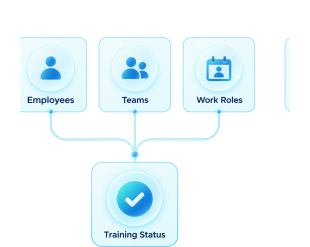
Work-Role Learning Requirements
Define work roles and connect relevant courses to role requirements so training administrators can organize learning around workforce responsibilities.
.svg)
Connect work roles with required courses, compliance requirements, credentials, and completion status so employees and L&D teams can see what training each role requires.
.svg)
Organize learning, compliance, and credential requirements around work roles so required development stays connected to workforce responsibilities.


Connect work roles, required courses, compliance context, credentials, and completion information so teams have a clearer view of what each role requires.



.svg)
Connect work roles with learning, compliance, credentials, and completion information to create a more structured approach to workforce training requirements.
Define work roles and connect relevant courses to role requirements so training administrators can organize learning around workforce responsibilities.
Maintain compliance fields, regulatory-framework context, and credential requirements alongside the work roles they relate to.
Review employee and completion information by work role while giving learners visibility into their own requirements through My Role Requirements.
Connect a person's role to required learning, compliance context, credentials, completion activity, and ongoing requirement visibility.
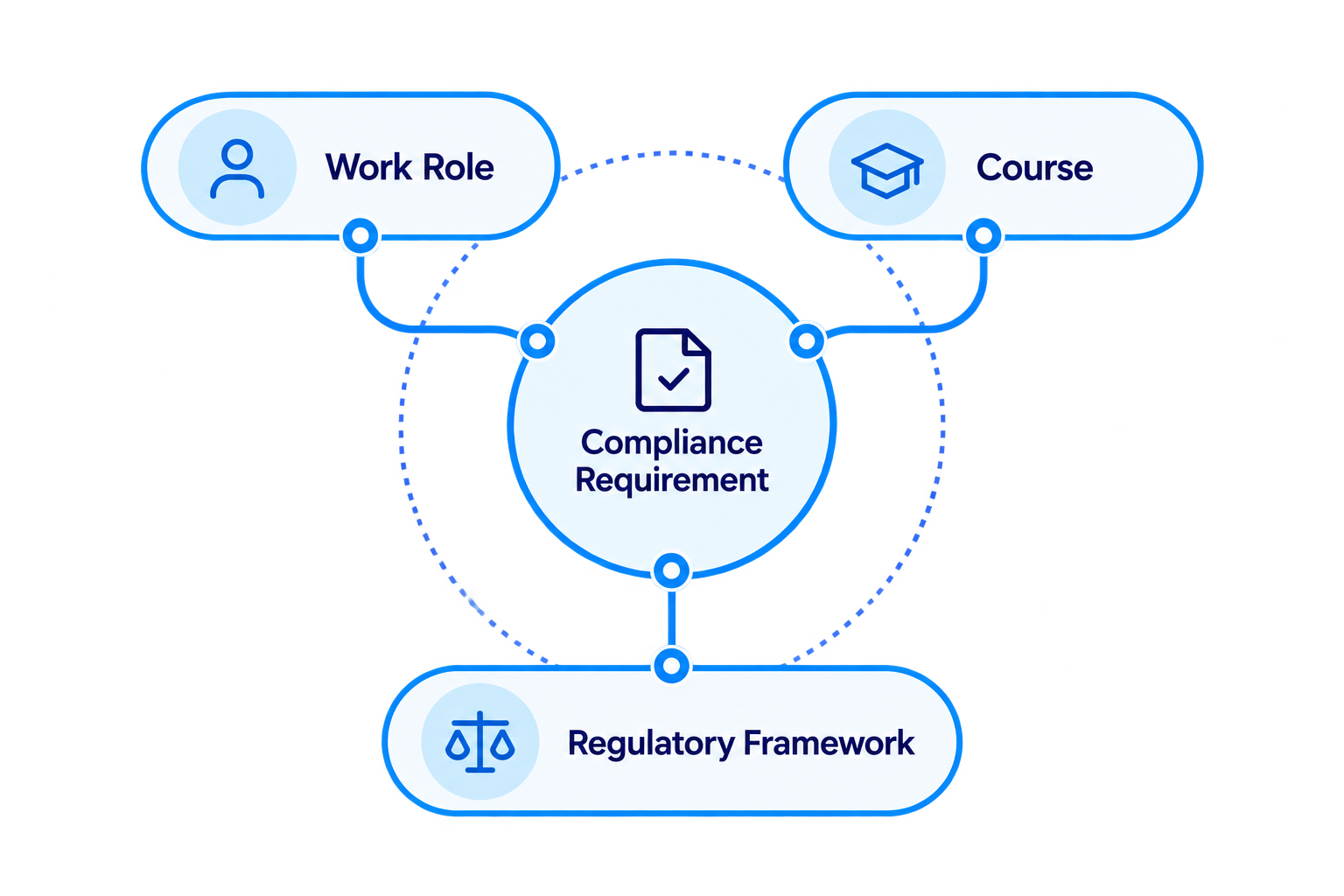
Use work-role records to establish the workforce context for courses, compliance requirements, credentials, and related learning information.
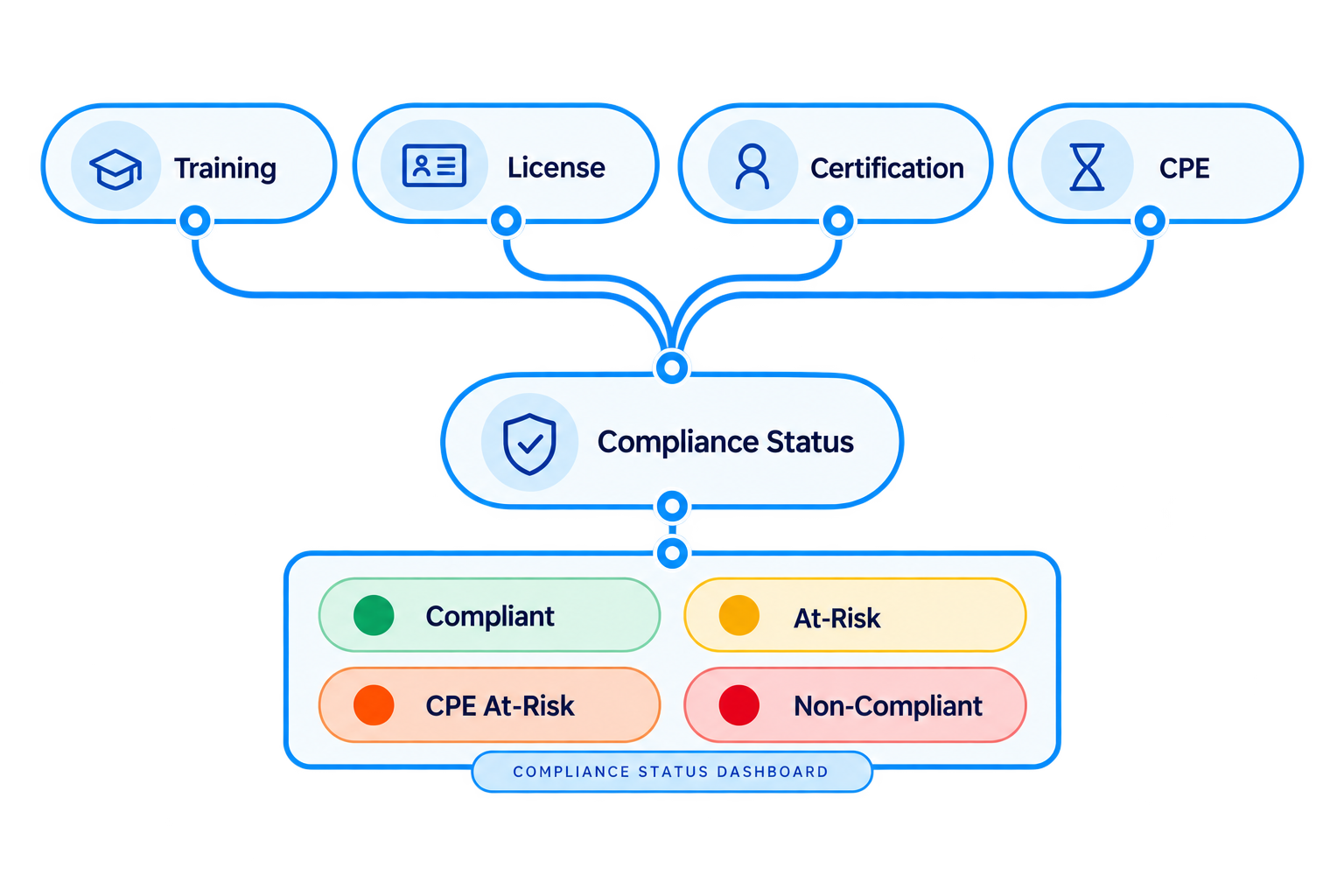
Connect relevant courses, compliance fields, regulatory-framework information, and credential requirements to the work roles they support.
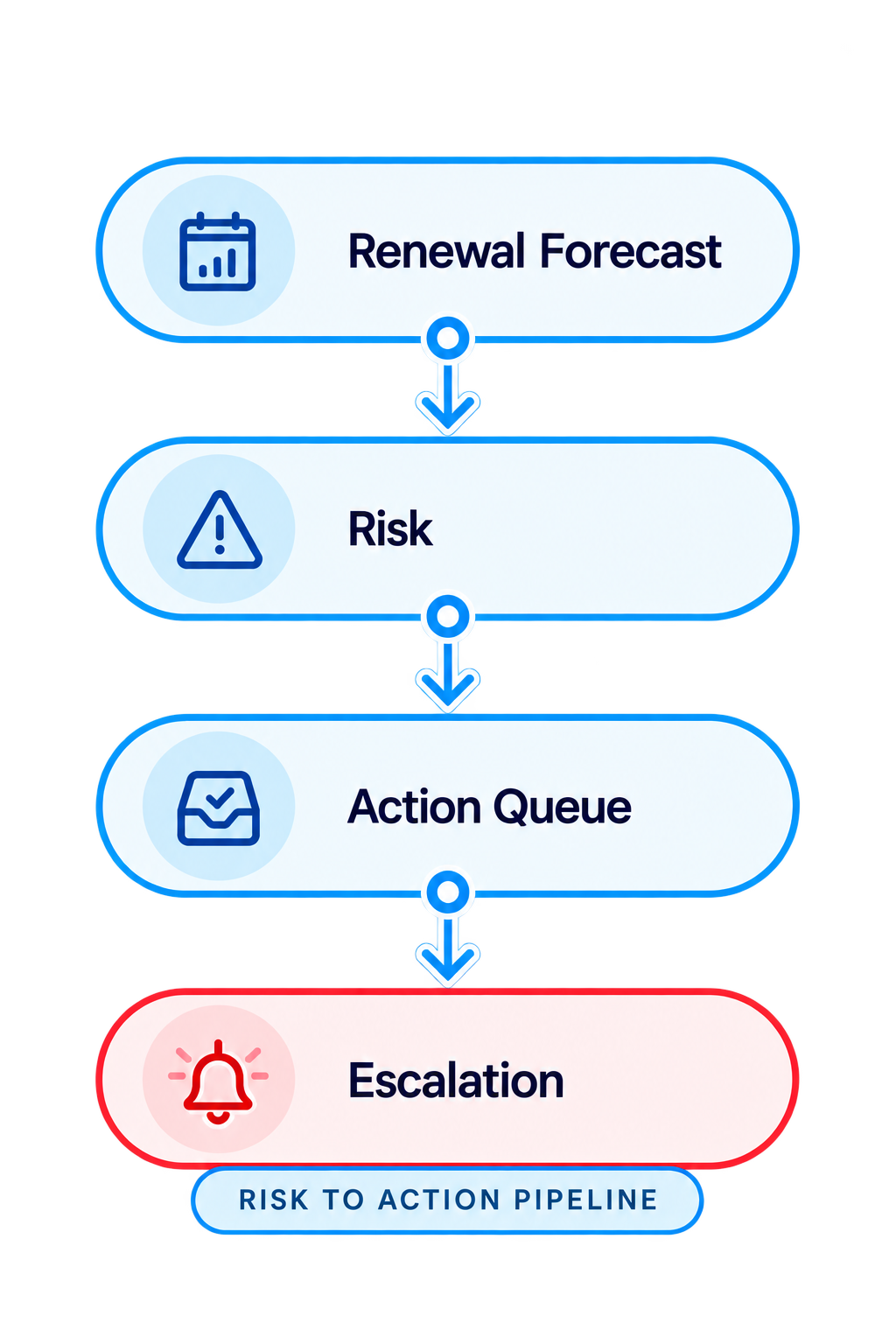
Use employee and completion information to review training activity and understand progress against role-related learning requirements.
Use My Role Requirements to give learners a focused view of the training and requirement information associated with their role.

Connect work roles with required courses, compliance context, credentials, and completion information while giving learners a clearer view of their own requirements.
.svg)


.svg)
